

Same Word, Opposite Meanings: Synonyms and Antonyms in India, the UK and the US
28 Sep, 2026


 By FastInfo Class
Published On 20 Aug 2026
Category English Speaking Tutor
By FastInfo Class
Published On 20 Aug 2026
Category English Speaking Tutor
Daily use English sentences allow people to speak English confidently in regular communication. Many people want to speak fluent English on a daily basis. So, they should learn 50 daily-use sentences to improve this skill. These sentences will assist them in improving vocabulary, building confidence in speaking, and communicating better in real-life. In this blog, you will learn about the 50 daily-use sentences.
The following are some of the key reasons to learn daily use sentences to improve spoken English:
The use of English sentences allows learners to deal with common conversations in real-life situations. This means talking with friends, attending class, travelling, or communicating at work. You will be able to share your thoughts without looking for words through regular practice. You can also improve this skill by attending a valuable spoken English course online.
Many people understand English grammar but hesitate while speaking due to low confidence. If you do regular practice of commonly used sentences, you will be able to overcome your hesitation and speak with confidence.
When a person speaks using complete sentences rather than memorising isolated words, they will be able to speak faster. You will also learn about vocabulary and grammar that work together in real-life communication. Constant practice teaches the brain to react naturally without translating from the native language.
Daily conversation gives lessons in useful words and phrases in real situations. This means that vocabulary is simple to learn and gives an idea of the usage of vocabulary.
You, as a learner, when you do regular practice of everyday English sentences, you will be able to remember those sentences. They will rember it while watching movies, podcasts, webinars, meetings, and conversations.
Good spoken English is considered as a necessary skill in the workplace. Use of this language helps in job interviews, client conversations, professional networking, office meetings, and presentations. Communication skills are highly valued by employers in all industries.
English is a common language that is used as an international language. People with a basic knowledge of sentences will be able to make hotel arrangements, seek information, shop, use public transport, and communicate during international travel.
Many people communicate through emails, video meetings, messaging apps, social media, and online learning platforms. The daily use of English sentences helps in clear writing and speaking in digital communication.
Learning at least 10 to 20 useful English sentences daily helps to form good habits of learning and brings small improvements. This results in better fluency, pronunciation, and confidence.
Below are the top 50 Daily use English sentences:
Greetings and introductions are the first step in any kind of conversation. These will be helpful in starting a discussion politely, making a good impression, and establishing a friendly relationship with others. If you know these sentences, you will be able to boost your confidence while meeting people, talking to friends, co-workers, teachers, or clients.
You can use this sentence to greet someone in a polite manner and ask about their well-being.
This means answering these questions in a polite manner. It shows that you are grateful and respectful.
Use this sentence while meeting someone for the first time to create a good impression.
This question will help you to ask someone’s name politely.
You can use this sentence to introduce yourself.
This question helps you know the person’s city, state, or country that they come from.
You can use this sentence to let other people know where you come from. If required, you can replace “India” with your own place.
It is a polite statement to wish someone success and happiness throughout the day.
You can use this sentence when you expect to see other people later.
A friendly statement to say goodbye.
Daily conversation at home will allow you to speak with family members in a clear manner. These sentences are common in daily life when people are getting ready, eating meals, asking for help, or completing everyday household activities. It will become more natural if you practice them regularly.
This means a polite request to ask someone to wake up from bed.
This is a kind of sentence that allows others to know that breakfast is ready.
This sentence is required when you need assistance.
It means you are preparing yourself to leave or for an activity.
You can ask this question when you will not be able to find your keys.
This is a polite way to ask someone to close the door.
You can say this sentence to ask someone to switch off the lights.
This sentence is used to tell others that you feel hungry.
This is a sentence that is used to invite others to eat dinner together.
It is a type of polite sentence to wish someone a good night's sleep.
Good communication in schools or workplaces improves learning, productivity, and teamwork. These sentences allow people to ask questions, give responses, and request clarification. This also includes interacting politely with teachers, classmates, colleagues, or clients.
You can use this sentence to inform others that you have started travelling.
You can say this sentence to inform others about your arrival.
It is a type of sentence that will be used when you need to know more information or clarification.
It is a polite way to indicate to others that you want to ask about something.
You can use this type of sentence in case the person is speaking too quickly.
This sentence can be used if you understand the information.
You can say it when you do not understand something.
This is a polite request to tell someone to say something again.
A good way to show your appreciation.
A friendly way to wish someone a pleasant weekend.
Whether you are buying products or travelling to a new place, there is a need for clear communication. These sentences will help you ask for prices, request directions, book transportation, make payments, and communicate effectively while shopping or travelling.
You can say this when you want to ask the price of an item.
When you want to purchase an item, you can use this sentence.
You can use this sentence to know whether the digital payment methods are accepted.
You can ask this when you want to know the directions to a bus stop.
This is a polite sentence that can be used to ask someone for directions.
You can say this sentence when you book a taxi.
When you want to know the departure time of a train, you can use this sentence.
This sentence will be useful when you want to take a seat.
You can use this sentence to pay for the service.
You can say this if you do not need the remaining money back.
Daily conversations allow people to communicate naturally in different situations with family members, friends, neighbours, classmates, or even colleagues. These sentences are suitable for sharing opinions, creating plans, sharing feelings, and continuing smooth conversations throughout the day.
You can ask this question to find out what the person is doing.
This is a type of sentence that can be used to tell other people you are busy.
You can say this when you like someone’s idea.
You can say this when you have a similar view.
Say this when you are unsure about something.
You can say this sentence if you want to comfort someone.
This is also a type of sentence that can be used to reassure someone when they are in a difficult situation.
It is a type of friendly suggestion for meeting the next day.
You can say this to wish someone a safe and good journey ahead.
This is a warm and friendly way to sentence that can be used to complete a conversation while you expect to see the person soon.
Knowing daily-use English sentences is one of the effective ways to improve your spoken English skills. You will become confident and fluent while speaking in English without pausing by using these 50 practical sentences every day. So, you have to make it a daily habit for your improvement in English-speaking skills. If you want to know more about spoken English tips, vocabulary, grammar, and so on, join FastInfo Class.
Q1. What are daily use English sentences?
The daily use English sentences are commonly used phrases and expressions. These are used in everyday conversations at home, school, work, travel, or in social situations. Learning these sentences will help you to communicate effectively.
Q2. How can 50 daily-use English sentences improve my spoken English?
The 50 daily use English sentences improve your spoken English by improving your vocabulary, pronunciation, fluency, and confidence in communication.
Q3. Can beginners learn spoken English using daily-use sentences?
Yes, beginners can learn spoken English using daily use sentences. This is because it focuses on practical and real-life communication.
Q4. Are these sentences suitable for students and working professionals?
Yes, these sentences are suitable for students and working professionals to improve spoken English skills.
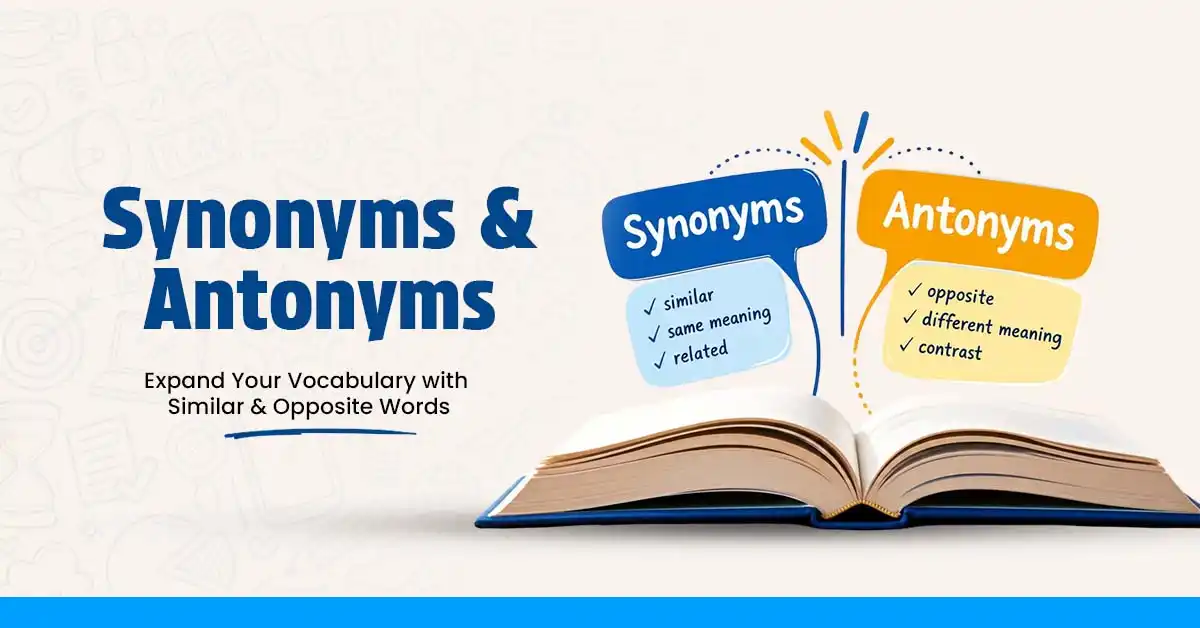
Same Word, Opposite Meanings: Synonyms and Antonyms in India, the UK and the US
28 Sep, 2026

The Ultimate Guide to Anagrams and Their History: Definition, Examples, and Hacks
18 Sep, 2026

How to Learn Spoken English for up to 500 Rupees per Month in India?
14 Sep, 2026

8 Best Online Spoken English Classes in India for Personalised Learning
09 Sep, 2026

How to Select a English Course for Interview Preparation
04 Sep, 2026

Daily English Conversation Practice for Beginners: 50 Useful Topics
29 Jun, 2023

Must Read Novels to Improve English for Beginners to Advanced
21 Feb, 2023

Top 15 Spoken English Books to Enhance Your Fluency
09 Sep, 2023

25 Commonly Mispronounced English Words in India
26 Apr, 2024

English Speaking Course for Beginners - Everything you must know
22 Sep, 2021








Copyright ©2026 FASTINFOCLASS. All Rights Reserved